
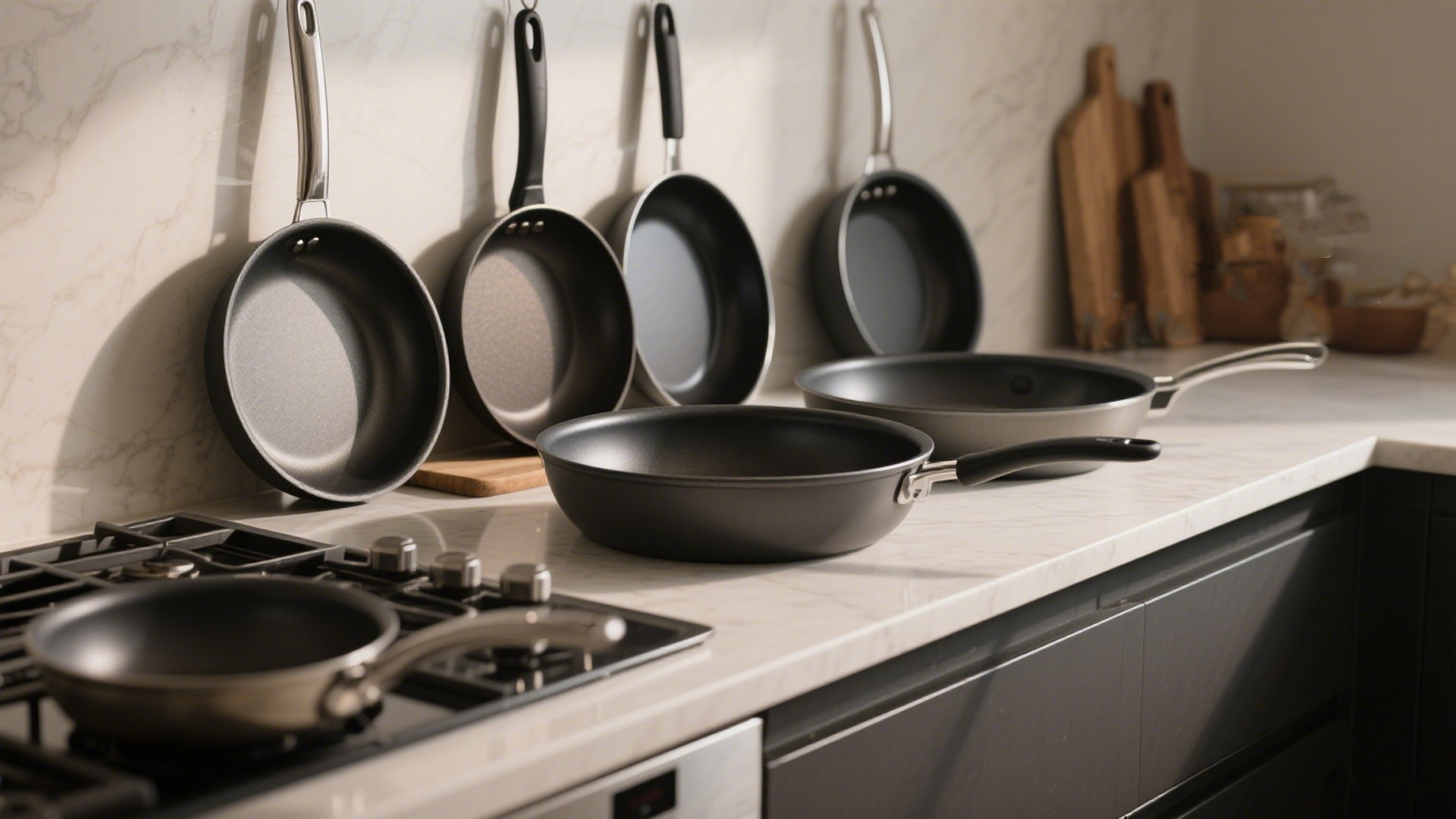
**The Best Non-Stick Cookware in 2025: Material Guide, Top Picks, and Expert Maintenance Tips**
**Abstract:** Discover the best non-stick cookware with our top picks, material guide, durability tips, and expert advice for long-lasting kitchen performance.
---
## I. Introduction
Cooking is both an art and a science, and the tools you use can make all the difference. Quality non-stick cookware is a cornerstone of every modern kitchen, offering effortless cooking, easier cleanup, and better food release. But not all non-stick pans are created equal—material, durability, and safety all play critical roles in long-term satisfaction and performance.
In this comprehensive guide, you’ll discover what makes non-stick cookware exceptional. We’ll break down the main materials, compare features, recommend top models of 2025, and provide practical tips so your pans last for years. Whether you’re a home chef or a meal-prep aficionado, you’ll learn exactly how to choose and care for your next kitchen staple.
---
## II. Understanding Non-Stick Cookware Materials
### A. Classic Teflon (PTFE)
**1. Features and Benefits:**
Teflon, or polytetrafluoroethylene (PTFE), has been the gold standard for non-stick surfaces for decades. It delivers truly slick performance, ideal for eggs, pancakes, and delicate fish.
**2. Health and Safety Considerations:**
Modern Teflon is much safer than older versions, especially when used below 500°F (260°C). Manufacturers have phased out harmful perfluorooctanoic acid (PFOA). However, overheating can still degrade the coating and release fumes, so mindful use is crucial.
### B. Ceramic Coatings
**1. Natural vs. Synthetic Ceramics:**
Ceramic-coated cookware features a silica-based (often sand-derived) coating. Genuine ceramic is inorganic, while many products are “ceramic-like” blends fused to a metal base.
**2. Pros and Cons:**
Ceramic coatings are beloved for being PFAS-free, eco-friendly, and non-toxic. They can handle higher temperatures and are often more colorful. The main downside? Coatings can wear faster, especially with frequent use or abrasive cleaning.
### C. Hard-Anodized Aluminum
**1. What Is It and How Is It Made?**
Hard-anodized aluminum undergoes an electrochemical process to create a hard, non-reactive surface, then usually topped with a non-stick layer.
**2. Performance and Durability:**
These pans are tougher, resistant to scratches, and offer even heat distribution. Their durability outshines most conventional non-stick options, making them a favorite among experienced cooks.
### D. Other Alternatives (Enameled, Silicone)
**1. Unique Features:**
- **Enameled:** Fused with glass, these pans resist stains and are often compatible with metal utensils.
- **Silicone:** Typically used as baking mats or muffin pans—not ideal for stovetop use.
**2. Cooking Suitability:**
Enameled pans work great for sauce-based dishes and those seeking a bonus of color. Silicone options are best for baking or steaming.
---
## III. Durability and Maintenance of Non-Stick Cookware
### A. Factors Influencing Durability
1. **Thickness and Quality of Coating:** Thicker, multi-layer coatings resist chipping and scratching.
2. **Handling and Washing Practices:** Gentle use (no metal utensils) and hand washing prolong life.
3. **Heat Tolerance:** Always cook on medium or low; high heat shortens the coating’s lifespan.
### B. Maintenance Tips
**1. Proper Cleaning Methods:**
- Always let pans cool before washing.
- Avoid abrasive sponges; stick to soft cloths or non-scratch pads.
**2. Do’s and Don’ts to Extend Lifespan:**
- **Do** use wood, silicone, or plastic utensils.
- **Don’t** use aerosol cooking sprays—they build up, causing sticking.
- **Do** store pans carefully to avoid scratches.
- **Don’t** cut food directly in the pan.
**3. Recognizing Signs to Replace:**
If your pan is warped, the coating is flaking, or food sticks unreasonably, it’s time for a new one.
---
## IV. Top Non-Stick Cookware Picks in 2025
### A. Best Overall: **All-Clad HA1 Hard-Anodized Nonstick 10-Piece Set**
- **Key Features:** Unmatched heat distribution, triple-layer non-stick surface, oven safe up to 500°F, dishwasher safe.
- **Why It Stands Out:** Consistently top-rated for performance and durability; compatible with all stovetops including induction.
### B. Best for Budget: **T-fal E93808 Professional Nonstick Fry Pan**
- **Affordable, Reliable:** Its Thermo-Spot heat indicator ensures proper preheating, durable non-stick layer, and sturdy construction at a wallet-friendly price.
### C. Best Ceramic Non-Stick: **GreenPan Valencia Pro Ceramic Nonstick Set**
- **Eco-Friendly & Non-Toxic:** Free from PFAS, PFOA, lead, and cadmium. Compatible with induction, oven safe, and features a magneto base for perfect sears.
### D. Most Durable: **Calphalon Signature Hard-Anodized Nonstick**
- **Long-Lasting Performance:** Reinforced, metal-utensil-safe coating, excellent scratch resistance, and heavy-gauge aluminum core for lifetime reliability.
### E. Specialty Picks
- **Induction-Compatible:** Cuisinart Chef’s Classic Nonstick Hard-Anodized Skillet.
- **Oven-Safe:** Circulon Symmetry Nonstick Cookware can withstand higher oven temps for versatile cooking.
---
## V. How to Choose the Right Non-Stick Cookware for You
1. **Cooking Habits and Frequency:**
Daily cooks should invest in high-quality, durable pans with multi-layer coatings. Occasional users may opt for budget-friendly sets.
2. **Budget Considerations:**
Premium sets cost more upfront, but may save money in the long run due to their extended lifespan.
3. **Compatibility:**
Ensure your pans match your stovetop (gas, electric, induction) and check oven-safe ratings if you frequently finish dishes in the oven.
4. **Warranty and Customer Support:**
Trust brands offering solid warranties and responsive support for peace of mind.
---
## VI. Frequently Asked Questions
### A. Are non-stick pans safe?
Yes—when used properly, modern non-stick pans are safe. Avoid overheating, and choose products free from PFOA and other harmful chemicals.
### B. How do you prevent non-stick coating from wearing off?
Always wash by hand, use non-metal utensils, cook on medium/low heat, and avoid stacking pans without padding in between.
### C. Can non-stick cookware go in the dishwasher?
Some brands are labeled dishwasher-safe, but hand washing is strongly recommended to maximize life. Dishwashers can wear down coatings over time.
---
**Conclusion**
Choosing quality non-stick cookware is one of the best ways to improve your kitchen experience. Focus on material, coating durability, heat compatibility, and maintenance for lasting value. With our top picks and expert tips, you’re ready to enjoy non-stick success for years of delicious, effortless meals!