
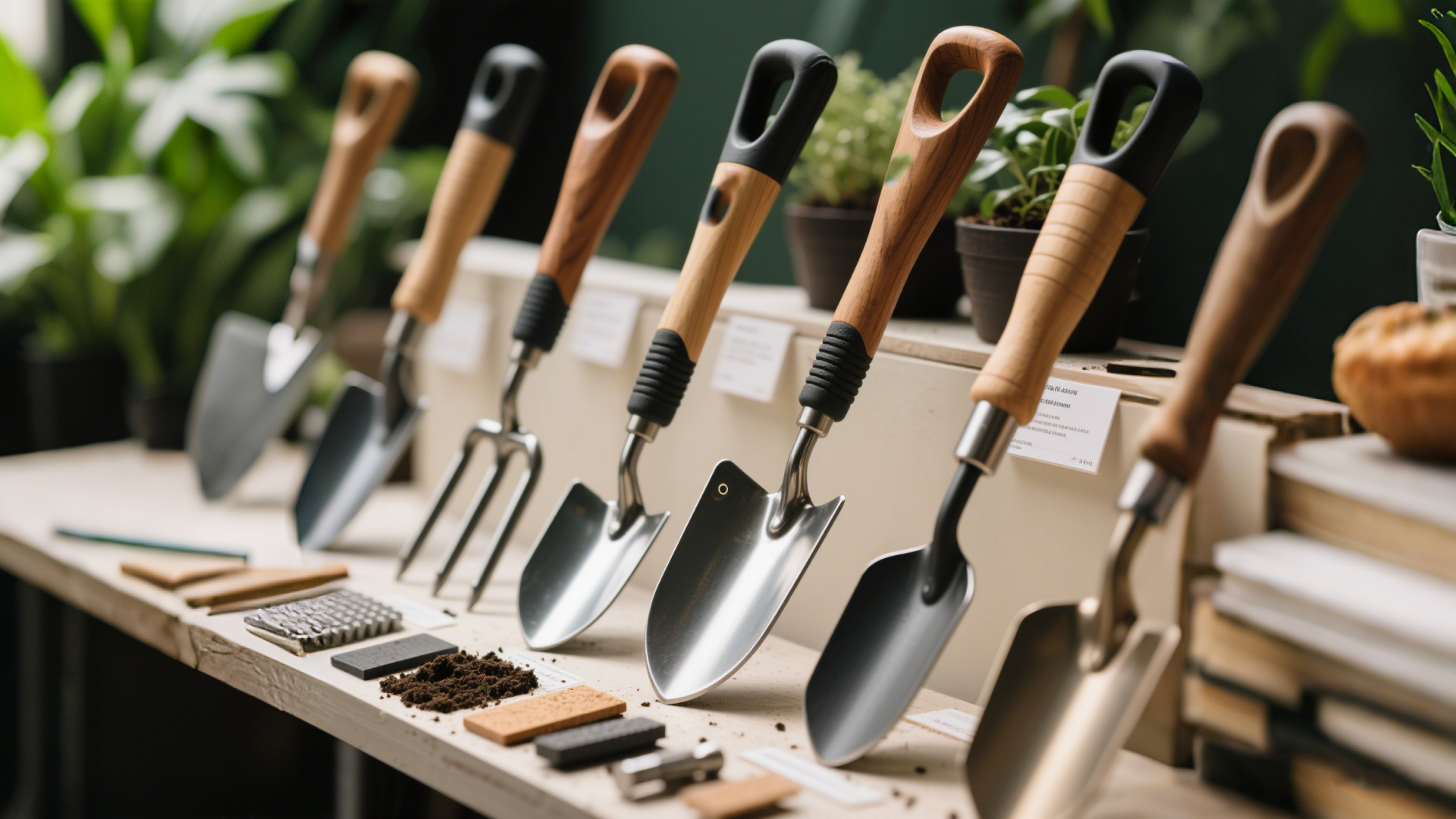
What Materials Make a Garden Shovel Most Durable and Ergonomic in Design?
If you’re an avid gardener, you know that a high-quality garden shovel is one of the most important tools in your shed. The choice of material and design doesn’t just affect how long your shovel lasts—it also determines your comfort level during extended gardening sessions. This comprehensive guide breaks down the essentials of durability and ergonomics, compares popular materials, and provides expert tips on choosing the ideal garden shovel for your specific needs.
---
Why the Right Garden Shovel Matters
Many underestimate the significance of a well-built garden shovel until faced with a broken handle, rusted blade, or aching wrists. A shovel that effortlessly pierces tough soil and feels comfortable in your hands can make all the difference in your gardening experience. Investing in the right tool saves time, boosts productivity, and spares your body unnecessary strain.
---
Core Components of a Garden Shovel
To understand what makes certain shovels superior, let’s examine their essential parts:
- **Blade:** The business end that cuts, scoops, and lifts.
- **Handle:** Transfers your force to the blade and provides leverage.
- **Grip:** The section you hold, dictating comfort and slippage prevention.
Each component’s material profoundly impacts the tool’s longevity and your comfort.
---
Materials That Determine Durability
Durability hinges on using the right materials for every shovel part. Let’s explore popular options and what makes them stand out (or fall short).
**Blade Materials**
*Stainless Steel*:
Known for its rust resistance, stainless steel is ideal for damp environments and regular use. It resists corrosion, maintains a sharp edge longer, and is easy to clean. While usually lighter than carbon steel, stainless steel can be more expensive, which is justified by its longevity.
*High-Carbon Steel*:
Praised for its toughness, high-carbon steel offers remarkable strength and edge retention. It slices through compacted earth and roots with ease, and is the choice of professional landscapers. The downside is its susceptibility to rust, requiring more maintenance (thorough drying and occasional oiling). However, for tasks demanding brute strength, carbon steel excels.
*Composite Materials*:
Modern engineering has introduced composites and reinforced polymers. These blades are lightweight, rustproof, and well-suited for lighter gardening tasks. However, they may lack the strength necessary for heavy digging in tough soil.
**Handle Materials**
*Solid Wood (Ash, Hickory)*:
Traditionalists favor wood for its natural shock absorption and pleasing balance. Woods like ash and hickory combine strength with flexibility, helping prevent hand and wrist fatigue. Maintain them properly (avoid prolonged moisture) and they’ll last seasons. Still, wood is vulnerable to cracking over time.
*Fiberglass*:
Fiberglass handles have surged in popularity due to their impressive strength-to-weight ratio and resistance to weathering. They don’t warp, rot, or rust, and absorb vibrations well, translating to less joint stress.
*Reinforced Metal*:
Steel or aluminum handles offer unbeatable strength, making them a solid choice for demanding jobs. However, the trade-off is weight—extended use can quickly become tiresome.
**Grip Materials**
*Rubber*:
Rubber grips are slip-resistant and cushion your hands, making long digging sessions more comfortable.
*Thermoplastic or Polypropylene*:
Modern grips often use these weather-resistant materials for their durability and ability to be molded into ergonomic shapes.
---
Ergonomic Design: Comfort That Lasts
Beyond materials, ergonomic design plays a crucial role in reducing fatigue and preventing injuries.
**Handle Shape and Length**
- *D-Shaped Handles*: Great for added leverage and control, particularly when shoveling heavy or wet soil.
- *Straight Handles*: Offer extended reach for tasks like trenching or planting.
- *Adjustable-Length Handles*: Allow gardeners of different heights to work comfortably and minimize back strain.
**Weight Distribution**
Choosing the right materials (like fiberglass for handles and stainless for blades) can keep the shovel balanced and light. A good balance prevents wrist strain and helps with precise control.
**Blade Size and Shape**
- *Pointed blades* are best for digging in compacted soil or cutting through roots.
- *Flat or square blades* suit scooping gravel, sand, or loose earth.
- Contoured blades with a pronounced curve carry more soil per scoop, making them ideal for transferring material.
---
Material Comparison Table: Pros and Cons
| Component | Material | Durability | Weight | Comfort | Maintenance | Best For |
|-----------|---------------------|-----------|---------|---------|-------------|---------------------------|
| Blade | Stainless Steel | High | Medium | High | Low | All-purpose, wet climates |
| Blade | High-Carbon Steel | Very High | High | Medium | High | Tough soils, heavy duty |
| Blade | Composite | Medium | Low | Medium | Low | Light digging, beginners |
| Handle | Wood (Ash/Hickory) | High | Medium | High | Medium | Traditional gardens |
| Handle | Fiberglass | Very High | Low | High | Low | All weather, heavy use |
| Handle | Metal | Very High | High | Medium | Low | Industrial, pro landscaping|
| Grip | Rubber | High | Low | High | Low | Extended use |
| Grip | Thermoplastic | High | Low | High | Low | All weather |
---
How to Choose the Best Garden Shovel for Your Needs
Selecting the perfect shovel is about more than just picking a durable material; it means understanding your gardening style and needs.
1. **Identify Your Primary Tasks:**
Do you mostly dig new beds, transplant delicate seedlings, or handle stony soil? Let your typical jobs guide your choice.
2. **Test Grip and Weight:**
Visit a store and handle different shovels. A comfortable, non-slip grip and balanced weight can make a world of difference, especially for frequent use.
3. **Consider Your Climate and Soil Type:**
Stainless steel blades are best for humid climates, while high-carbon is perfect for hard, dry soils. For wet, marshy ground, invest in weatherproof fiberglass or composite handles.
4. **Ergonomic Preferences:**
If you have back or joint issues, opt for ergonomic handles, lighter materials, and D-shaped grips.
---
Maintenance Tips: Maximize Your Shovel’s Lifespan
Regular maintenance extends the life of your garden shovel, regardless of its material.
- Always clean dirt and sap off the blade after use.
- Store indoors or in a dry place to prevent rust and handle decay.
- Oil wooden handles seasonally to keep them supple.
- Sharpen the blade periodically for efficient cutting.
- Inspect grips for wear and replace as needed for ongoing comfort.
---
Conclusion: Invest in Quality, Reap the Benefits
A reliable, comfortable garden shovel can transform how you work outdoors—speeding up chores and reducing fatigue. The best shovels are crafted from materials tailored to the demands of your yard and your body. Stainless steel or high-carbon blades, paired with shock-absorbing fiberglass or classic wood handles and ergonomic grips, strike the ideal balance between durability and comfort.
Resist the temptation to settle for the cheapest option. Instead, invest in a well-built, ergonomically designed tool that will reward your garden and your wellbeing for years to come. Happy digging!