
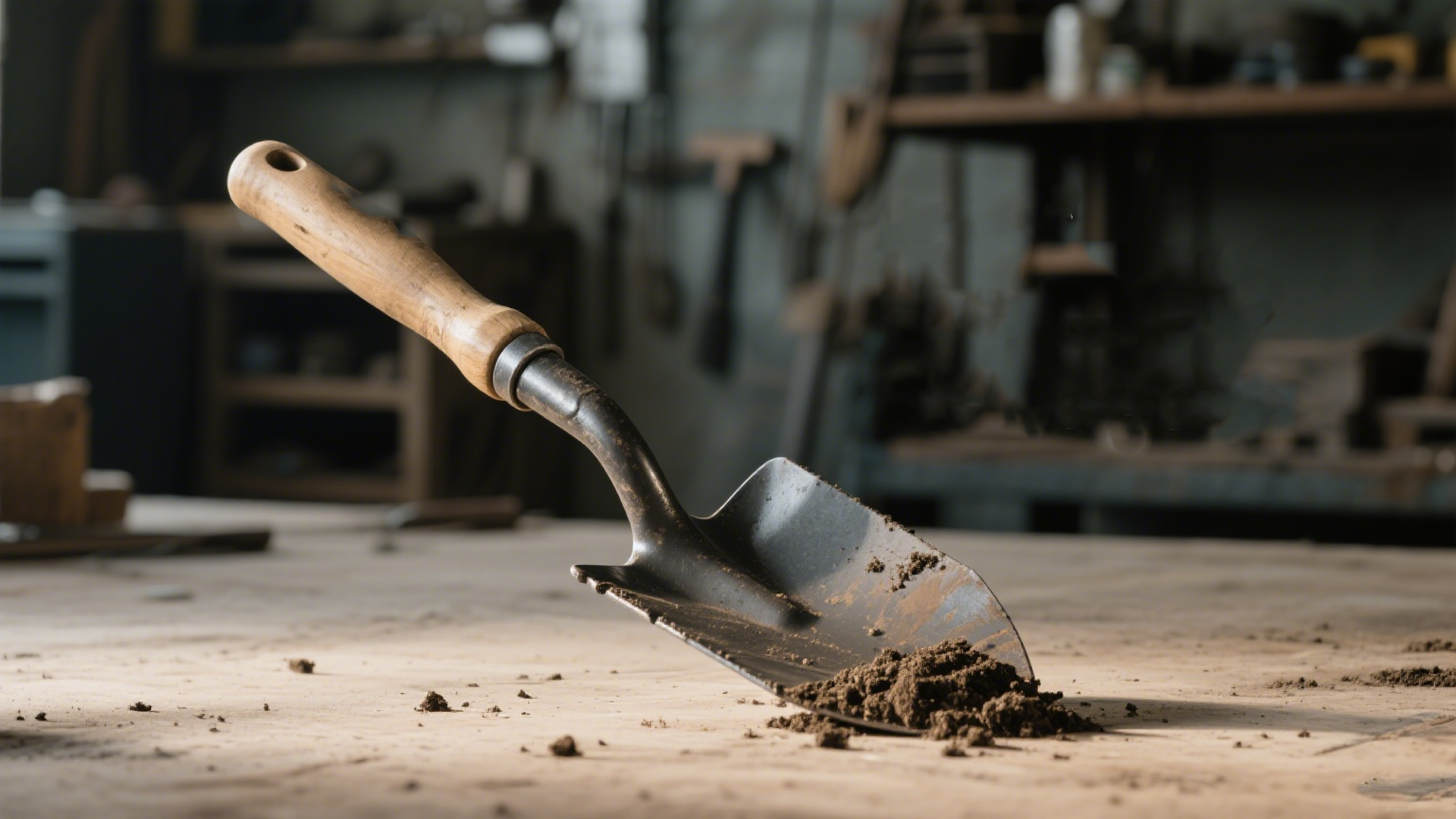
**Durable Garden Shovel Guide: Material, Comfort, and Task-Based Picks**
A reliable garden shovel is the backbone of countless outdoor projects, from planting new flowers to breaking through stubborn, rocky soil. But not all garden shovels are created equal. Choosing a durable garden shovel tailored to your needs can be the difference between success and frustration in your gardening journey. In this comprehensive guide, we’ll explore the importance of durability, compare high-carbon versus stainless steel materials, examine ergonomic features for comfort, and provide task-specific shovel recommendations to help you make the best choice for your garden.
---
Why Durability Matters in Garden Shovels
A garden shovel is more than just a simple tool—it's an extension of the gardener. Durability is not just about longevity; it’s about safety, efficiency, and value. Here’s why you should never compromise on the durability of your garden shovel:
- **Efficiency:** A robust shovel cuts through soil, roots, and stones more effectively, making each task quicker and less strenuous.
- **Safety:** Cheap, weak shovels may snap or bend mid-use, posing a risk of injury.
- **Cost-Effectiveness:** Investing in a durable gardening shovel eliminates the cycle of frequent replacements, saving money in the long run.
Common issues with low-grade shovels include cracked handles, rusted blades, and loose fittings. These not only disrupt your gardening flow but also lead to repeated expenses. By prioritizing durability, you ensure smooth, uninterrupted gardening and lasting value from your investment.
---
Material Breakdown: High-Carbon Steel vs Stainless Steel
Selecting the right material is foundational to a shovel’s durability and performance. The two most popular options for durable garden shovels are high-carbon steel and stainless steel. Each brings unique strengths to the table, but may suit different gardeners or tasks better.
**High-Carbon Steel Shovels**
- **Advantages:**
High-carbon steel is well-known for its superior strength and excellent edge retention. These shovels are ideal for heavy-duty tasks like digging into clay, rocky, or compacted soils. The material’s rigidity ensures that the blade maintains its shape, even under pressure.
- **Drawbacks:**
The main weakness of high-carbon steel is its susceptibility to rust. To maintain their integrity, these shovels require regular cleaning and occasional oiling to ward off corrosion.
**Stainless Steel Shovels**
- **Advantages:**
Stainless steel resists rust naturally, making it a low-maintenance option. Blades stay sharper without frequent care, and the highly polished surface lets soil slide off more easily—a bonus when working with sticky or wet earth.
- **Limitations:**
Stainless steel is more prone to bending under extreme force compared to its high-carbon counterpart, which can be a concern for heavy-duty digging in rocky or compacted ground.
**Comparative Table: High-Carbon Steel vs Stainless Steel**
| Feature | High-Carbon Steel | Stainless Steel |
|-----------------------|-------------------------|-------------------------|
| Strength | Very high | Moderate to high |
| Edge Retention | Excellent | Good |
| Rust Resistance | Requires maintenance | Excellent |
| Maintenance | Needs regular care | Low-maintenance |
| Ideal For | Tough soils, heavy jobs | Wet/acidic soils, easy cleaning |
---
Ergonomic Features for Gardening Comfort
Comfort is non-negotiable when it comes to tools you’ll handle for hours on end. The right garden shovel blends durability with ergonomic features that minimize fatigue and maximize control.
**Handle Designs**
- **D-Grip**: Offers secure two-handed leverage, ideal for transferring heavy loads.
- **T-Grip**: Traditional handle type, better for light tasks and precise control.
- **Straight/Shaft Handle**: Versatile and suitable for most digging tasks, with varying lengths to match user height and comfort.
**Handle Materials**
- **Wood**: Classic and forgiving on the hands, but can weather and crack if left outside.
- **Fiberglass**: Lightweight, durable, and often resistant to the elements—an excellent modern alternative.
- **Steel**: Extremely sturdy but can make the tool heavy, leading to quicker fatigue.
**Additional Comfort Features**
- **Weight Considerations**: Balancing the overall weight improves control while reducing hand and arm strain during extended sessions.
- **Shock Absorption**: Cushioned grips or handles with built-in anti-vibration features help absorb impact, making digging and prying easier on joints.
- **Blade Shape and Size**: Wider blades move more earth, while narrow or pointed blades slice through tough soil and roots, creating less resistance.
---
Task-Based Garden Shovel Picks
Not all garden shovels are suitable for every task. Here’s how to pick a durable garden shovel optimized for specific gardening needs:
**Digging and Planting**
- **Best Options**: Full-sized round-point shovels with high-carbon steel blades, a contoured handle, and ample tread for foot power.
- **Recommended Uses**: Breaking new ground, planting large trees/shrubs, and general excavation.
**Transplanting and Border Work**
- **Best Options**: Flat-bladed border spades or transplanting shovels made from stainless steel for precise, delicate work and minimal soil disruption.
- **Recommended Uses**: Moving perennials, shaping borders, and digging in established beds.
**Heavy-Duty Jobs (Rocky or Clay Soils)**
- **Best Options**: Short-handled digging shovels with high-carbon or reinforced steel and welded foot treads to prevent blade bending.
- **Recommended Uses**: Breaking compacted earth, lifting sod, and digging trenches in tough ground.
**Multi-Use and All-Purpose Shovels**
- **Best Options**: Mid-weight composite or fiberglass handle shovels with a moderate blade width, offering versatility for a range of garden tasks without being too heavy.
- **Recommended Uses**: General garden maintenance, mixing compost, or moving mulch.
---
Maintenance Tips for Prolonging Shovel Life
Even the most durable garden shovel requires proper care to perform its best year after year. Following these maintenance tips will preserve your investment and keep your shovel ready for every project:
- **Clean After Use:** Rinse off soil and debris after every use. Sticky clay or sap can corrode metal and attract pests.
- **Dry Thoroughly:** Moisture, especially on high-carbon steel, accelerates rust. Wipe the blade and handle dry before storing.
- **Sharpen Regularly:** A sharp blade cuts smoothly through soil and roots. Use a metal file to restore the edge as needed.
- **Check and Tighten Fittings:** Ensure bolts, rivets, and handle-to-blade connections remain secure. Replace worn or loose handles promptly.
- **Prevent Rust:** For high-carbon steel, apply a thin coat of oil (like linseed or motor oil) to the blade and hardware at the end of the season.
- **Proper Storage:** Store shovels in a dry location, ideally hung or blade-down to prevent handle rot and warping.
---
Conclusion
The best durable garden shovel is a blend of strong material, ergonomic design, and suitability for specific tasks. High-carbon steel excels in strength, while stainless steel offers rust-free convenience. Handle comfort is crucial for minimizing fatigue, and selecting the right blade type ensures efficiency for each garden job. By investing in a well-built, task-specific garden shovel and maintaining it with care, you’ll enjoy years of gardening success and satisfaction.
Whether breaking new ground, nurturing delicate roots, or tackling tough soil, the right shovel lets you dig in with confidence. Evaluate your needs, consider the features highlighted in this guide, and bring home the durable garden shovel that will become your most trusted garden companion. Happy gardening!