
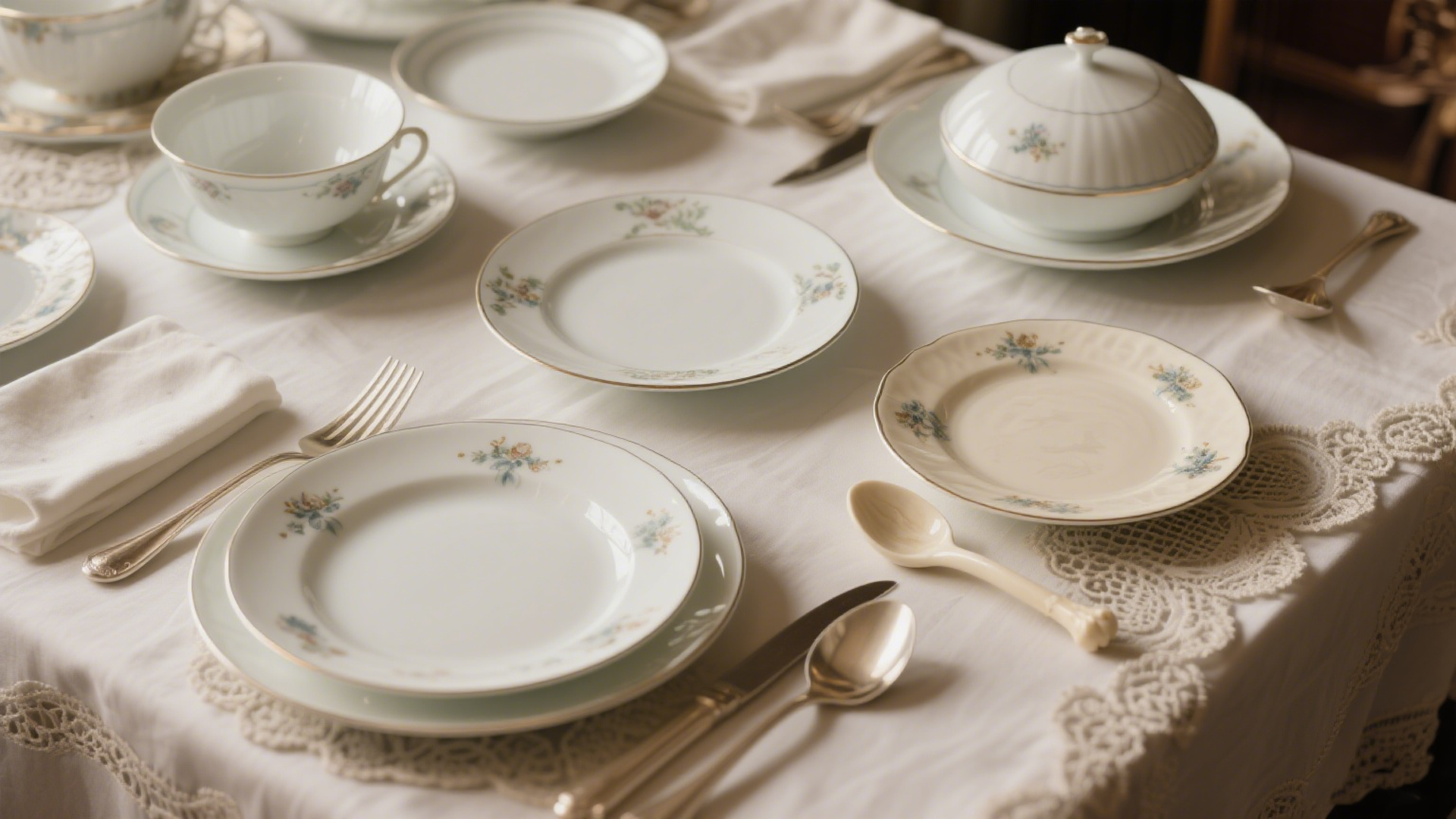
What are the Differences Between Porcelain and Bone China When Choosing Elegant Tableware for Dining Decor on Special Occasions?
Selecting the right tableware elevates your dining experience, transforming everyday meals into exquisite occasions and making special celebrations truly memorable. Among the wide variety of options, porcelain and bone china stand out as the two leading choices for those seeking elegance and sophistication in their dining decor. But what distinguishes these two luxurious materials, and how should you choose the best one for your next special occasion? This comprehensive guide explores the core differences between porcelain and bone china, including their design, durability, material benefits, and suitability for various occasions.
Understanding Porcelain and Bone China
Before diving into what sets them apart, it’s essential to understand what porcelain and bone china actually are.
**Porcelain Tableware: Definition and History**
Porcelain, often called "china," traces its origins back to ancient China over 1,000 years ago. This material is produced by firing a refined clay—mainly kaolin—at high temperatures (1,200–1,400°C), resulting in a non-porous, glass-like product. Porcelain is prized for its smooth texture, subtle sheen, and strength, making it a favorite for both daily use and formal dining settings.
**Bone China Tableware: Definition and History**
Originating in England in the 18th century, bone china is a type of porcelain with a unique twist: the addition of bone ash. Fine animal bone ash is blended with kaolin and feldspar prior to firing at slightly lower temperatures (around 1,100°C). This process creates an exceptionally lightweight, luminous, and translucent product treasured for its delicate appearance and luxurious appeal.
Key Differences Between Porcelain and Bone China
While both porcelain and bone china are celebrated in the world of elegant tableware, key differences exist that influence their look, feel, and function.
**1. Composition**
Porcelain is primarily made from kaolin clay, mixed with quartz and feldspar, which contribute to its durability. Bone china includes animal bone ash, which increases translucency, whiteness, and lightness.
**2. Appearance and Aesthetics**
Bone china stands out for its remarkable translucency; when held up to light, you may see a faint glow passing through. It often features a warmer ivory color, adding to its luxurious look. Porcelain, on the other hand, boasts a more opaque, crisp white finish with a smooth, glossy surface.
**3. Durability and Strength**
Despite its delicate appearance, bone china is surprisingly strong due to the bone ash also making it chip-resistant. Nevertheless, porcelain is generally thicker and heavier, providing extra sturdiness, which makes it an excellent choice for everyday use.
**4. Weight and Handling**
Porcelain tends to have a heavier feel with robust edges, ideal for frequent handling. Bone china, being lighter and more refined, is often reserved for formal settings where elegance takes precedence.
**5. Price and Market Value**
Bone china is regarded as the pinnacle of luxury, typically commanding higher prices. It is associated with heritage brands and is often passed down as an heirloom. Porcelain, while still viewed as a premium material, is more accessible and available at a range of price points.
Porcelain vs. Bone China: Pros and Cons
Choosing between the two often comes down to your unique preferences and needs.
**Advantages of Porcelain Tableware**
- Highly durable, making it ideal for everyday use
- Resistant to scratches, chips, and thermal shock
- Available in a wide range of designs and price points
- Often dishwasher and microwave safe
**Drawbacks of Porcelain**
- Generally heavier, making it less ideal for those seeking a light, delicate feel
- Slightly less luminous compared to bone china
**Advantages of Bone China Tableware**
- Exquisitely elegant appearance with beautiful translucency
- Lightweight yet durable, perfect for formal settings
- Superior prestige and perceived luxury
- Often features fine, intricate designs
**Drawbacks of Bone China**
- Usually more expensive
- May require more gentle handling, particularly with intricate patterns or gilded edges
- Not always suitable for use in the microwave or dishwasher
Design Styles and Modern Trends in Elegant Tableware
Porcelain and bone china both accommodate a vast array of design possibilities, matching any dining decor scheme.
- **Classic and Traditional:** White or ivory surfaces with delicate floral motifs or gold/silver gilding define classic sets, perfect for timeless, formal gatherings.
- **Contemporary and Minimalist:** Sleek, unadorned plates or subtle geometric patterns in soft hues highlight modern trends that blend seamlessly into sophisticated, everyday dining.
- **Eclectic and Artistic:** Vivid colors, bold patterns, and hand-painted elements distinguish statement pieces that serve as both tableware and art.
Choose well-coordinated sets for cohesive elegance, or mix and match patterns for a personalized, curated dining presentation.
Occasion-Specific Recommendations
Selecting tableware for specific events ensures you create the right ambiance for any special occasion:
- **Weddings & Anniversaries:** Bone china is often the ultimate choice, lending a sense of romance and refinement with its luminous, delicate appearance.
- **Formal Dinner Parties:** Both materials work beautifully, but bone china offers an extra touch of opulence. Choose a style that complements your dining room’s theme and menu presentation.
- **Holiday Gatherings:** Festive touches—embossed details, metallic trims, deep seasonal hues—work well in porcelain’s sturdier form for these sociable, sometimes bustling occasions.
- **Everyday Luxury:** Modern porcelain designs seamlessly blend elegance and practicality, making them ideal for those who appreciate a bit of luxury at every meal.
Care and Maintenance Tips
To preserve your elegant tableware, a few simple practices go a long way.
- **Cleaning:** Always check manufacturer instructions first. Most plain porcelain is dishwasher safe, but hand washing is recommended for decorated or gilded bone china.
- **Handling:** Avoid stacking delicate items tightly; instead, place a soft cloth or tissue between pieces to prevent scratches.
- **Storage:** Store items in a cool, dry place, preferably in felt-lined storage cases.
- **Special Care:** Avoid abrupt temperature changes; never place fine tableware from the refrigerator directly into a hot oven or microwave.
Final Thoughts: Which Should You Choose?
Both porcelain and bone china make sophisticated, beautiful additions to any dining setting, but your ideal choice will depend on your needs:
- If you seek heirloom elegance for the most special occasions—and are willing to invest—bone china is unrivaled in terms of luxury, translucency, and prestige.
- If you want tableware that offers timeless beauty with greater practicality for regular use, even with children or larger gatherings, porcelain is a winner.
Regardless of your pick, thoughtfully chosen elegant tableware enhances every meal and celebration, making memories around the table that last a lifetime. Investing in quality pieces ensures your dining decor always speaks of grace, style, and hospitality.
Ready to elevate your own dining experiences? Explore the latest designs in porcelain and bone china, and let every occasion shine with the radiance of perfectly chosen tableware.